How to spot quality: 5 red flags of poorly made durable goods

You’ve been there before. You buy a stylish backpack that looks incredible online, only for the strap to rip away from the body on its very first trip. You purchase a sleek, modern-looking blender that feels powerful, but the plastic base cracks after a few months of use. It’s the frustrating moment you realize you’ve wasted your hard-earned money on something that was nothing more than a convincing disguise—a piece of junk dressed up to look like quality.
In today’s hyper-competitive market, it’s harder than ever to distinguish genuine quality from clever marketing. Brands have become masters of illusion, using thin veneers, plated hardware, and deceptive terminology to make cheap products look and feel expensive at first glance. They count on you discovering the poor quality only after your return window has closed.
But what if you could develop a kind of consumer x-ray vision? The truth is, quality isn’t a magical, unknowable property. It’s a series of deliberate, tangible choices in materials, design, and construction. By learning how to spot quality, anyone can become a savvy shopper who can identify durable, well-made goods before spending a dime. We will equip you with a 5-point inspection checklist. These are the five critical red flags that expose the most common signs of cheap products, from flimsy materials to the hidden traps of planned obsolescence.
Unmasking the impostors: your 5-point quality checklist
Red Flag #1: Inferior Materials – The Foundation of Failure
The single most important indicator of a product’s intended lifespan is the material it’s made from. Cheap materials are the bedrock of disposable goods. Learning to identify them is your first line of defense.
Leather: Not All Leather is Created Equal
- Red Flag: “Genuine Leather.” This sounds good, but it’s a marketing term for one of the lowest grades. It’s often made from the inner layers of the hide, which are sanded down and coated with a synthetic finish to look uniform. It’s weak, prone to cracking, and will never develop a beautiful patina.
- What to Look For: Full-Grain or Top-Grain Leather. Full-grain is the highest quality, using the entire outer layer of the hide with all its natural imperfections and strength. It’s incredibly durable and ages beautifully. Top-grain is slightly thinner and more processed but is still a very durable and high-quality option.
Metals in Hardware: The Devil is in the Details
- Red Flag: Plated Zinc Alloy. This is the material used for most cheap buckles, zippers, and clasps. It’s lightweight, brittle, and often magnetic. The thin plating quickly chips or wears off, revealing an ugly, dull gray metal underneath that’s prone to corrosion and breaking.
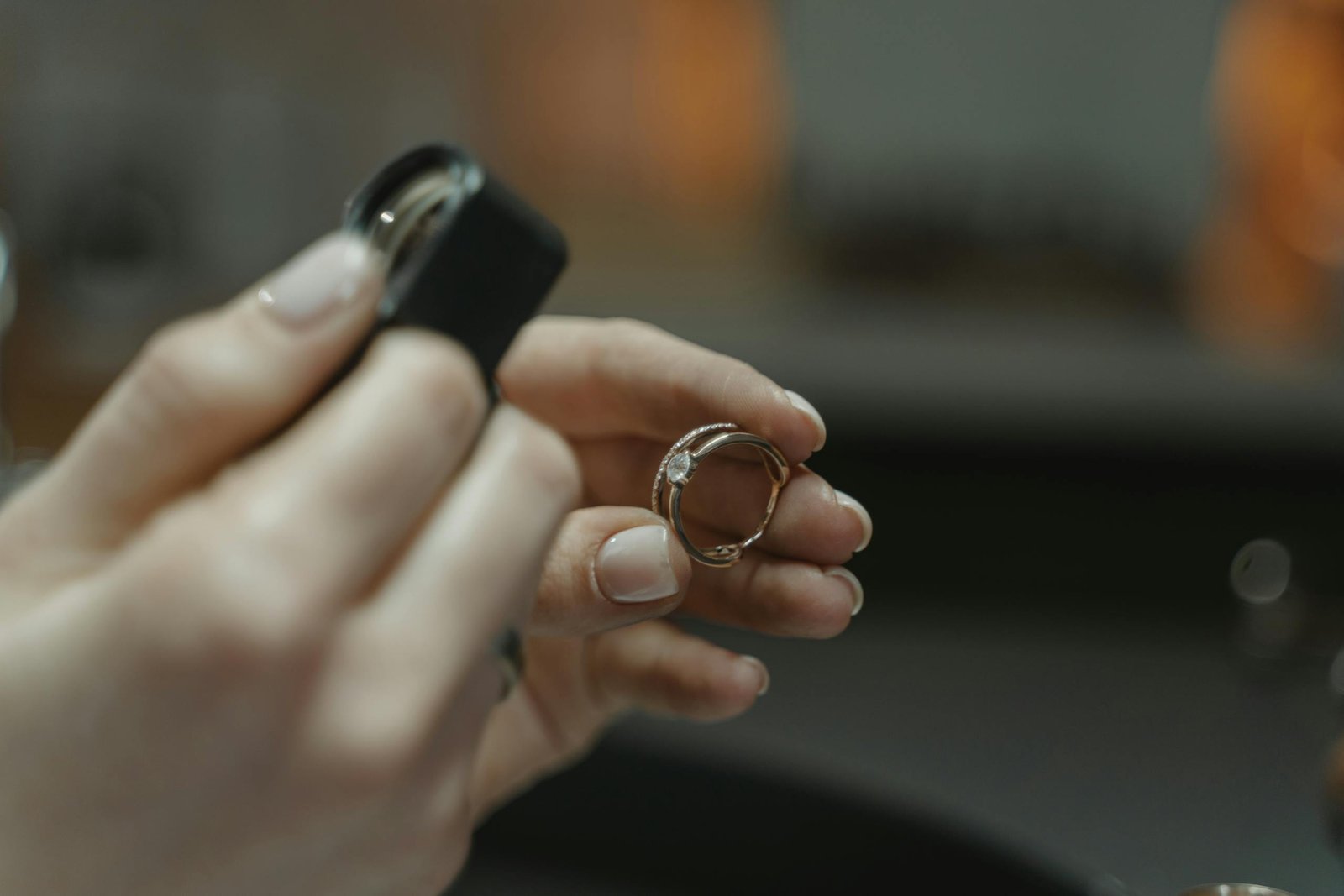
- What to Look For: Solid Brass, Stainless Steel, or Copper. These metals are dense, heavy for their size, and won’t chip because they are the same material all the way through. They are corrosion-resistant and will develop a natural patina over time instead of degrading.
The weight test
Quality often has heft. When comparing two similar items, the heavier one is frequently made with more substantial, less-processed durable materials. Pick them up and feel the difference.
Red Flag #2: Sloppy Construction – Where Quality Falls Apart
Even the best materials are worthless if they’re poorly assembled. The way a product is put together being the stitching, the fasteners, the seams is a clear indicator of the care and cost that went into its production.
Stitching: The Telltale Threads
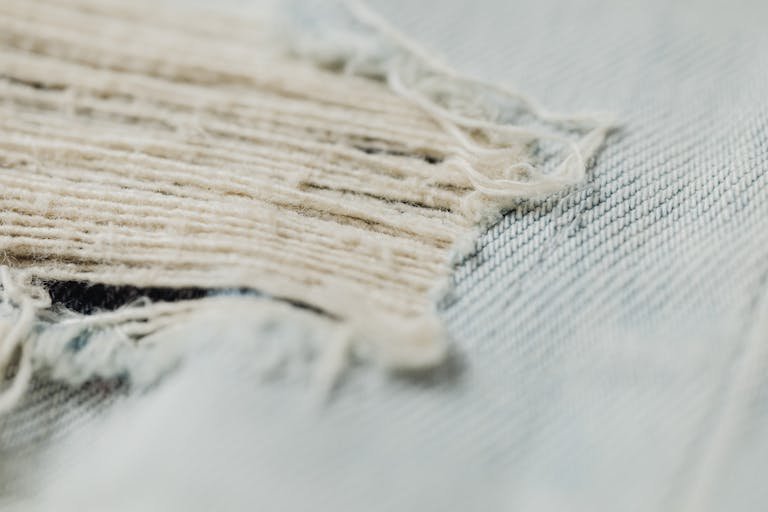
On any fabric or leather good, the stitching is the skeleton holding it all together. Look closely at the seams. Quality stitching is tight, straight, and consistent, with a high number of stitches per inch. Red flags include loose threads, uneven or wavy lines, and a low stitch count, which creates weak points that will inevitably tear under stress.
Fasteners: Glued vs. Screwed
Look at how the components are joined. Are the soles of a shoe held on with a visible stitch (like a Goodyear welt), or just a layer of glue that will eventually dry out and fail? Do the legs of a chair have an attachment with sturdy bolts, or flimsy screws driven directly into particleboard? Are the internal parts of a gadget held by accessible screws, or sealed shut with plastic clips and adhesive? Glue is almost always a sign of cheap, disposable construction.

The seam pull test
On a backpack or piece of clothing, gently pull apart the fabric at a major seam. If you can easily see the thread stretching or the fabric pulling away, revealing holes, it’s a major red flag for low-quality construction that won’t last.
Red Flag #3: Designed to Fail – Uncovering Planned Obsolescence
Sometimes, a product isn’t just poorly made; it’s intentionally designed to have a limited lifespan. This strategy, known as planned obsolescence, forces consumers into a cycle of replacement. Learning to spot these design traps is key to breaking free.
- Software-Induced Slowdowns: This is a more insidious form of planned obsolescence. It’s the phenomenon where a software update for your phone or laptop makes the older hardware feel frustratingly slow, conveniently right around the time a new model is released, pushing you to upgrade.
- Sealed Units and Non-Removable Batteries: This is the most common sign in modern electronics. If you can’t easily open a device to replace a dying battery or a broken component, it has a built-in expiration date. The manufacturer wants you to buy a whole new device, not perform a simple, cheap repair.
- Proprietary Parts and Screws: When a company uses unique, non-standard screws or charging cables, they are creating a monopoly on repairs. This makes it difficult or impossible for you or a third-party repair shop to fix the item, forcing you back to the manufacturer for expensive service or replacement.
- Lack of Available Spare Parts: Before buying an appliance, check the manufacturer’s website. If they don’t sell common replacement parts that are likely to wear out (like gaskets, filters, or belts), it’s a clear sign they don’t intend for you to keep their product running for the long term.
Right to repair
The “Right to Repair” movement is gaining momentum, advocating for legislation to make products more repairable and combat planned obsolescence. Support repairable goods!
Red Flag #4: The “Hollow” Feel – When a Product Lacks Substance
Beyond visual inspection, your senses of touch and hearing are powerful tools for detecting quality. Cheap products often feel… well, cheap. They lack the satisfying substance and solidity of a well-made item.
Hardware and Moving Parts
Pick up the item and operate its hardware. Do the zippers feel thin and snag easily, or are they heavy-duty YKK zippers that glide with a smooth, reassuring sound? Do the buckles, clasps, and buttons feel light, tinny, and plasticky, or do they have a solid, metallic click and feel substantial in your hand?
The Tap and Stability Test
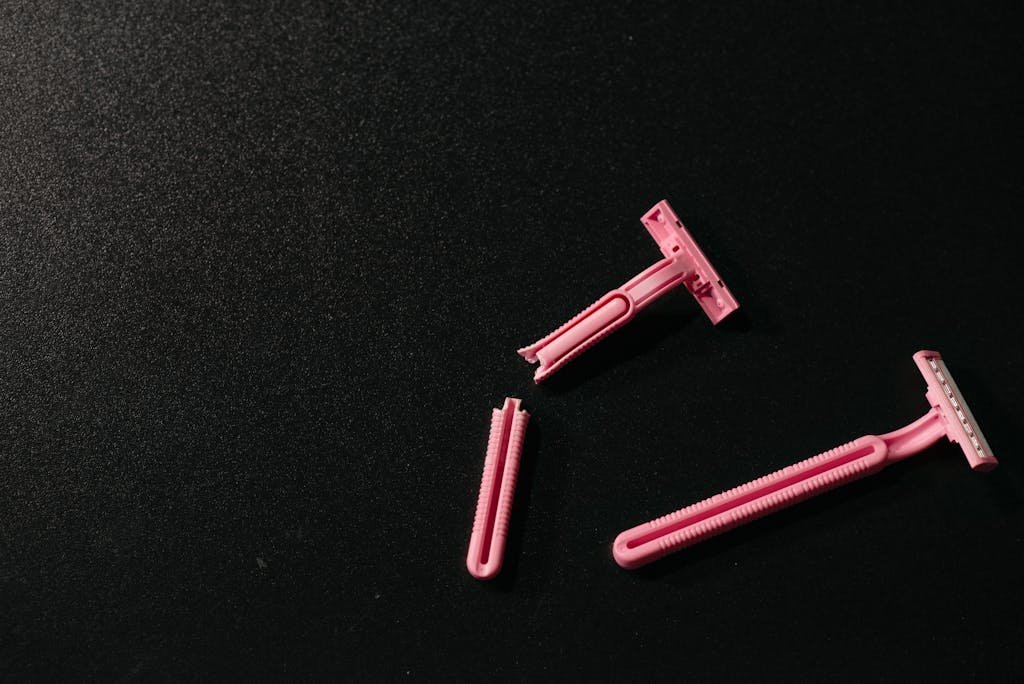
Gently tap on the product’s surfaces. A solid, dense, low-pitched sound indicates quality material (like solid wood or thick-walled plastic), while a high-pitched, hollow, rattling sound often signals thin plastic or cheap, plated metal. For larger items like furniture or luggage, give them a gentle shake. Quality items feel rigid, stable, and well-planted. Red flags include wobbling, creaking, or flexing, which are all signs of cheap products with poor joint construction.
trust your hands
Your sense of touch and hearing can often detect the signs of poor quality that your eyes might miss at first glance.
Red Flag #5: A Weak or Vague Warranty
A warranty is more than just a piece of paper; it’s a direct reflection of a brand’s confidence in its own manufacturing. A strong, clear warranty signals that a product was built to last. A weak or confusing one is a major red flag.
- “Defects Only” Coverage: As we’ve detailed in our full Lifetime Warranty Analysis, a warranty that only covers “manufacturer’s defects” is the weakest type. It explicitly excludes the wear and tear that any well-used item will eventually face.
- “Product’s Lifetime” Clauses: This loophole allows the company to define the “expected lifetime” of their own product, giving them an easy out for denying claims on older items.
- A Complicated Claims Process: Requiring the original receipt, making the customer pay for shipping both ways, or having long, unresponsive wait times are all signs that a company doesn’t actually want you to use their warranty. In contrast, an ironclad guarantee from a brand like Osprey or Patagonia signals immense confidence in the product’s durability.
restrictive warranty
A vague or restrictive warranty is a brand telling you, “We don’t truly stand behind this product long-term.” Don’t fall for the illusion of a guarantee.
conclusion
become a smarter shopper, not just a consumer
The marketplace is full of convincing fakes, but it’s also full of genuinely well-made products waiting to be discovered. By keeping these five red flags in mind—inferior materials, sloppy construction, planned obsolescence, a hollow feel, and a weak warranty—you can transform yourself from a passive consumer into a skilled inspector. Learning how to spot quality is a skill that pays dividends for life. It saves you money, reduces your environmental impact, and fills your home with reliable, enjoyable products that you can truly depend on.
On your next purchase, challenge yourself to use this checklist. Pick up the item, check the seams, feel the hardware, and question its design. Take just two extra minutes to become an investigator, not just a consumer. You’ll be amazed at what you discover.