The Ultimate Guide to Cost Per Wear
The Ultimate Guide to Cost Per Wear
The Price Tag Illusion
Staring at a full closet with “nothing to wear”? It’s time to shift your mindset from Acquisition Cost to Utility Cost.
It is a scenario almost everyone has experienced: You are standing in front of a closet bursting at the seams. Hangers are jammed so tightly together that you can barely slide them apart, yet you find yourself sighing, “I have absolutely nothing to wear.”
This paradox is the defining struggle of the modern consumer. We are trained to hunt for bargains, chasing the dopamine hit of a “50% Off” sticker. But six months later, that $20 top is pilled, the accessory is broken, and you are back at the store spending more money. This cycle is not just draining your bank account; it is devastating the planet.
The Mathematics of Value
At its core, Cost Per Wear (CPW) is the financial bridge between “price” and “value.” Here are the three formulas you need to know.
The Foundational Formula
The “True Cost” (Advanced)
Includes maintenance (dry cleaning, tailoring).
The “Net Cost” (Resale)
Factors in the resale value of luxury goods.
The Economics of Fashion
The “Boots Theory” of Socioeconomic Unfairness
“A man who could afford fifty dollars had a pair of boots that’d still be keeping his feet dry in ten years’ time, while the poor man who could only afford cheap boots would have spent a hundred dollars on boots in the same time and would still have wet feet.”
— Terry Pratchett
Fast Fashion
Built on rapid obsolescence. Garments last 7-10 wears.
Slow Fashion
Built on durability. Higher upfront cost, exponential lifespan.
The Psychology of Shopping
Why do we struggle to implement CPW? Because our brains are wired for short-term gratification.
The Dopamine Hit
Buying cheap releases dopamine without the “pain” of spending big. CPW requires delayed gratification.
The Diderot Effect
Obtaining a new possession often creates a spiral of consumption. New skirt -> New shoes -> New bag.
Rationalization
“It’s on sale!” If a $200 dress is $100 but you never wear it, you didn’t save $100. You spent $100.
Material Science 101
You cannot have a low Cost Per Wear if the garment physically falls apart. Learn to audit quality.
The Fabric Hierarchy
-
Wool & Cashmere Durable, odor-resistant, requires less washing.
-
Cotton & Linen Breathable, strong, gets softer with age.
-
Polyester & Acrylic Prone to pilling. Once pilling starts, the garment looks old.
The 3-Second Audit
Step-by-Step Implementation
Phase 1: The Retrospective Audit
Go to your closet. Pull out three items: a favorite staple, an event dress, and an impulse buy.
Phase 2: The Pre-Purchase Checklist
Strategies to Lower CPW
Capsule Wardrobe
Stick to a cohesive palette. If 10 items all match, you have 30+ outfits. If they don’t match, you have 5.
Master Maintenance
- Wash Cold: Heat shrinks fibers.
- Chair Method: Air out denim.
- Cobblers: Replace heels.
Rental Revolution
For one-off events, ownership is the enemy.
Buy: $300 CPW.
Rent: $70 CPW.
Real-Life Case Studies
Case Study 1: Winter Boots
Synthetic. Lasts 1 winter.
Leather. Lasts 10 years.
Case Study 2: Denim Jeans
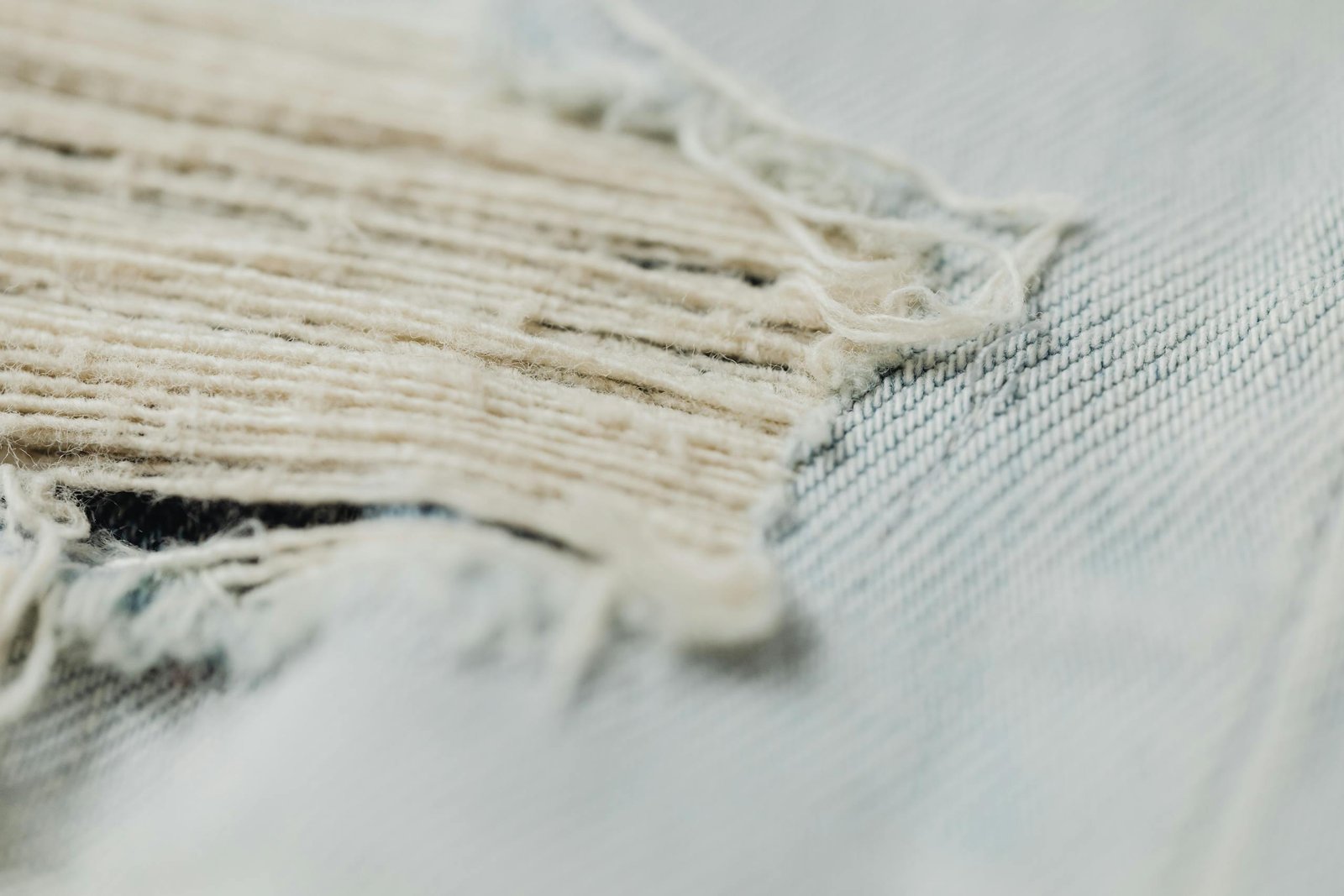
Thighs rub through in 6 months.
Lasts 4 years. Ages well.
The Environmental Ledger
Carbon Per Wear
70% of a footprint is manufacturing. Dilute the debt by wearing longer.
Water Usage
2,700 liters for one shirt.
1 wear = 2700L.
100 wears = 27L.
Landfill Impact
Americans throw away 81 lbs of clothes/year. High CPW reduces this.
Exceptions to the Rule
CPW is a powerful tool, but do not become a miser. There are three valid exceptions:
- The Sentimental Exception: Grandmother’s necklace or wedding dress. Infinite emotional value.
- The “Joy Per Wear” Factor: A bright coat you wear 5 times/year but feel amazing in.
- Safety Gear: Never cheap out on helmets. If you use it once to save your life, the value is infinite.
Become a Curator.
Embracing the Cost Per Wear methodology forces you to transition from a Consumer (one who devours) to a Curator (one who preserves). Look at a garment as a long-term relationship, not a one-night stand.
© 2025 Cost Per Wear Guide. All rights reserved.
Related Content
Lifetime Warranty Analysis: The Best and Worst Brands for BIFL Guarantees
There are few phrases in the world of retail as powerful as “Lifetime Warranty.” It feels like a…
The Ultimate Buy It For Life Master List
2025 Update The Ultimate Buy It For Life Master List Verified Brands That Last Forever The frustration of…
The True Cost of Ownership: Why a $300 Pair of Boots is Cheaper Than a $60 Pair
It’s a rainy Tuesday in November. You’re rushing from your car to the office, but a nagging feeling…
BIFL Maintenance Calendar: Lifetime Care for Durable Goods
You’ve done the research. You’ve invested in that beautiful, full-grain leather bag that should last forever. You bought…
Escape the Disposable Trap: Your Ultimate Guide to the Buy It For Life (BIFL) Philosophy
You’ve felt that sting of disappointment. It’s the feeling you get when the “genuine leather” belt you bought…
How to spot quality: 5 red flags of poorly made durable goods
You’ve been there before. You buy a stylish backpack that looks incredible online, only for the strap to…