Escape the Disposable Trap: Your Ultimate Guide to the Buy It For Life (BIFL) Philosophy
You’ve felt that sting of disappointment. It’s the feeling you get when the “genuine leather” belt you bought just last year starts peeling, revealing a flimsy, composite material underneath. It’s the frustration of your two-year-old smartphone grinding to a halt right after the new model is released. This isn’t just bad luck but it’s a design feature. It’s called planned obsolescence, and it’s the engine of a wasteful consumer culture built on a single premise: buy, break, and repeat.
But what if you could opt out?
Welcome to the “Buy It For Life” (BIFL) philosophy—an intentional, rewarding, and ultimately cheaper alternative. This isn’t about buying the most expensive things you can find. It’s a complete mindset shift away from temporary consumption and toward long-term ownership, quality, and sustainability. It’s about choosing items that are built to last, designed to be repaired, and get better with age.
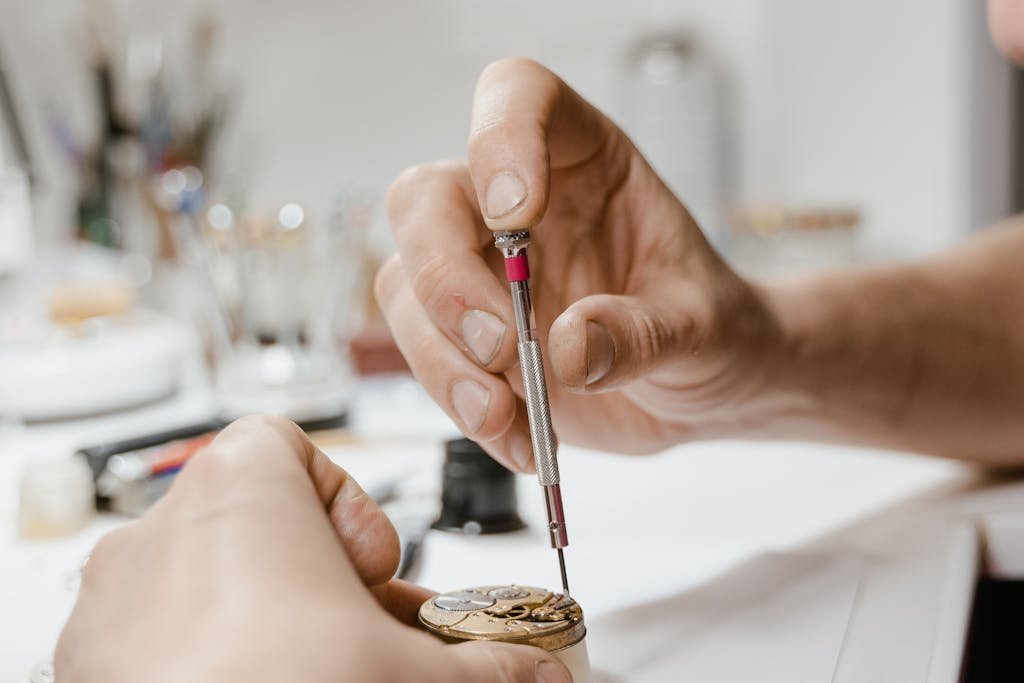
In this ultimate guide, you’ll learn everything you need to start your BIFL journey. We will cover:
- The core principles of the BIFL philosophy and why it matters.
- How to become a savvy consumer by analyzing materials, construction, and warranties.
- Common mistakes to avoid that can cost you time and money.
- Actionable starting points for building your own collection of durable goods.
the bIFL philosophy: more than just stuff
At its heart, the BIFL philosophy is about transforming your relationship with the things you own. It’s a conscious decision to shift from being a temporary consumer to a long-term owner. An owner doesn’t just use an item; they care for it, maintain it, and repair it. There’s a profound satisfaction that comes from sharpening a knife you’ve had for a decade or re-waxing a jacket that’s seen you through countless adventures.
This mindset delivers powerful benefits across three key areas, called the triple bottom line of BIFL.
the triple bottom line of bIFL
financial Savings 💰: Invest once, save forever
While the upfront cost of a BIFL product is often higher, the Total Cost of Ownership (TCO) is almost always lower. A cheap item is only cheap once. A quality item pays for itself over and over.
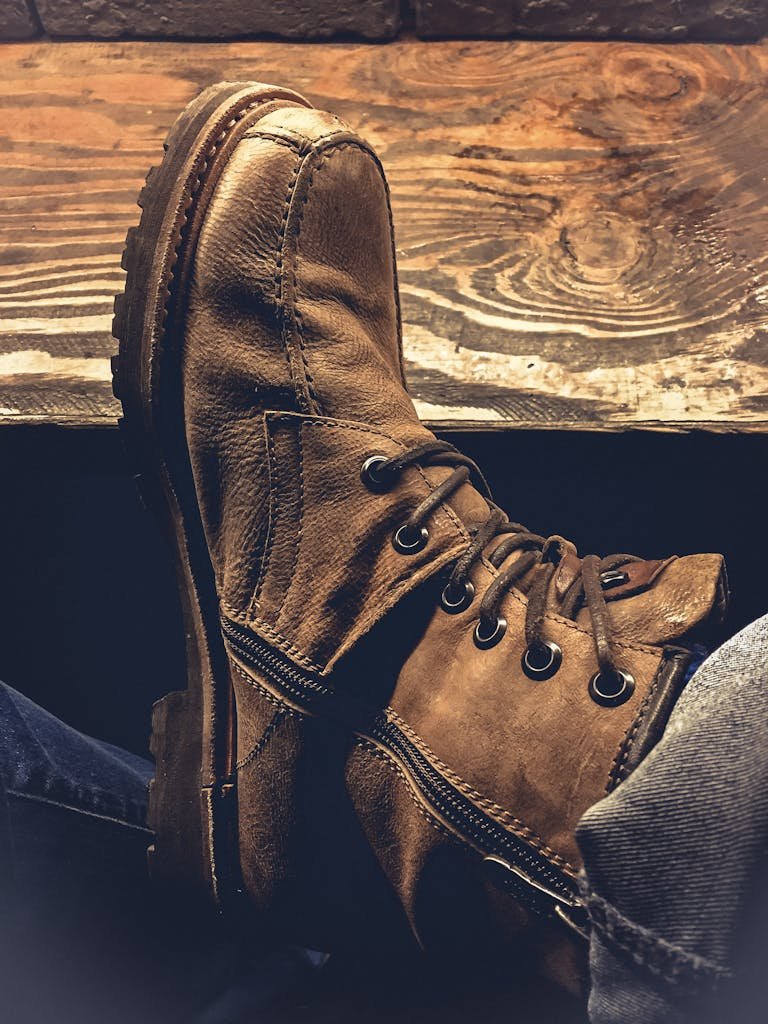
Let’s compare two pairs of boots over a 16-year period:
|
feature
|
the $60 “fast fashion” boot
|
the $300 goodyear-welted boot
|
|---|---|---|
|
Initial Cost |
$100 |
$400 |
|
Lifespan |
2 years |
16+ years |
|
Maintenance |
None (disposable) |
$75 resole every 4 years ($225 total) |
|
Replacements |
8 pairs (1 every 2 years) |
0 |
|
Total 16-Year Cost |
$800 |
$625 |
While the initial costs look starkly different, the long-term cost is nearly identical. But after 16 years, the BIFL boots are still going strong with just another resole, while the cheap boots have been replaced eight times. The savings continue to grow year after year.
Environmental Impact 🌍: Reduce Waste, Protect Our Planet
The buy-and-replace cycle has a devastating environmental cost. According to the World Bank, we generate over 2 billion tonnes of municipal solid waste annually, a figure projected to increase dramatically. Choosing BIFL products directly combats this. You consume fewer raw materials, generate less manufacturing pollution, and send significantly less waste to landfills. One durable backpack can prevent ten poorly made ones from ending up in a landfill.

Personal Satisfaction 😊: The Joy of True Ownership
There’s a quiet joy in using a well-made tool that feels perfect in your hand. There are stories embedded in the patina of a leather wallet or the seasoned surface of a cast-iron skillet. By owning fewer, better things, you also reduce decision fatigue. You no longer have to waste mental energy researching a replacement for something that should have lasted in the first place.
“The things you own end up owning you. It’s only after you lose everything that you’re free to do anything.” – Tyler Durden (Fight Club)
How to Buy Durable Goods: Master Materials, Repairability, and Warranties
Ready to start making smarter purchases? The good news is you don’t need to be an expert engineer. You just need to learn how to evaluate products based on three practical pillars.
Pillar 1: Master Material Science (It’s Easier Than You Think)
Knowing the difference between high-quality and low-quality materials is the single biggest cheat code for identifying durable goods. Marketing terms can be misleading, but the materials themselves don’t lie.
Here’s a quick-start guide to some common material matchups:
|
Avoid this (Low durability) ⛔
|
look for this (high durability) ✅
|
|---|---|
|
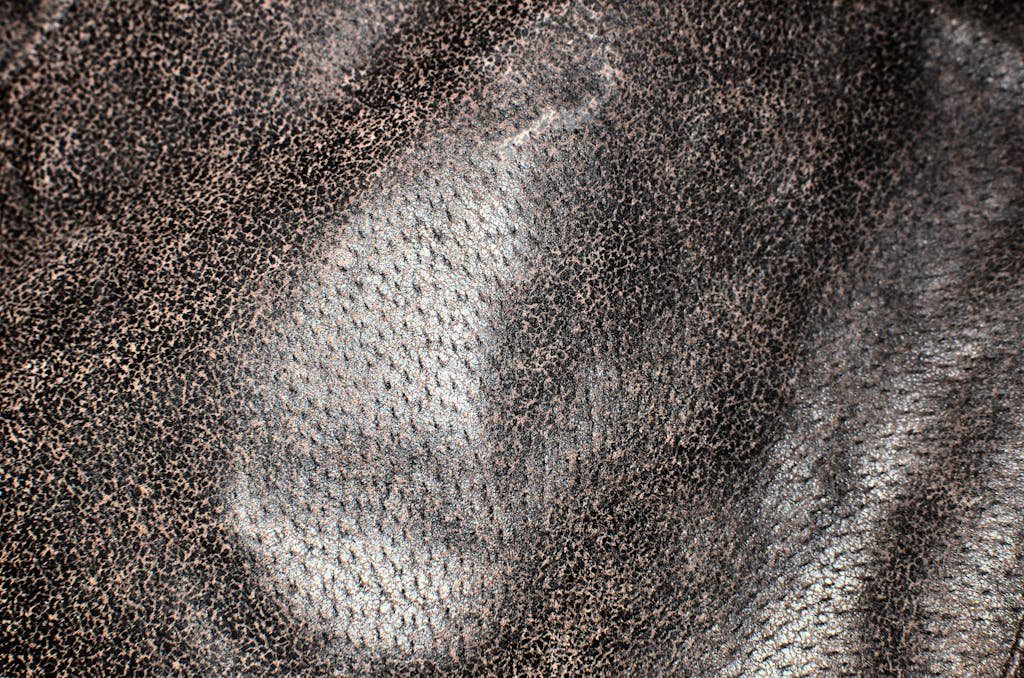
“Genuine” or Bonded Leather |
Full-Grain or Top-Grain Leather |
|
Zinc Alloy or Plated Hardware |
Solid Brass, Stainless Steel, Copper |
|
Glued or Cemented Soles |
Goodyear Welt or Stitchdown Construction |
|
Thin, Low-Density Weaves |
High-Density Canvas, Ripstop Nylon |
For a deeper dive, explore our upcoming guide: “A Deep Dive into BIFL Materials.”
Pillar 2: Prioritize Repairable Design
A truly durable product isn’t just tough—it’s designed to be fixed. Before you buy, look at an object with the eyes of an engineer. Can it be taken apart? Can worn-out components be replaced?
Use this checklist to identify a repairable design:
💡 Pro Tip: The “Teardown Test”
Before purchasing, search online for “product name + teardown” or “product name + repair guide.” This often reveals how easily (or difficultly) an item can be disassembled and repaired.
Pillar 3: Decode the “Lifetime” Warranty
A “lifetime warranty” sounds great, but the devil is in the details. A warranty isn’t a direct guarantee of quality; it’s a statement of a company’s confidence in its own product. A great warranty signals that the company is willing to stand behind its craftsmanship.
Before being swayed by a warranty, ask these three questions:
- What does “lifetime” mean? Is it your lifetime, or the product’s “expected” lifetime as defined by the company? The latter can be a loophole for denying claims.
- What is covered? The best warranties cover manufacturer defects and often failure from normal wear and tear. Warranties that only cover “defects” can be used to deny claims on products that simply wore out.
- What is the process? Do you need the original receipt? Who pays for shipping? Is there a small repair fee? Companies with legendary warranties, like Patagonia, Osprey, and Filson, make this process famously simple and customer-friendly.
The Beginner’s Guide to BIFL Mistakes (And How to Avoid Them)
The path to buying better is a journey, and there are a few common traps to watch out for along the way. Keep these in mind to avoid frustration and buyer’s remorse.
- The “Expensive = Durable” Fallacy. Price is not a reliable indicator of quality. Many high-fashion designer brands charge a premium for their name, not their construction. A fragile, glued-together designer handbag can cost far more than a stitched, full-grain leather tote that will last for decades. Focus on the three pillars, not the price tag.
- Analysis Paralysis. The search for the “perfect” BIFL item can be immobilizing. Don’t let the quest for the absolute best stop you from making a good choice. Start with what you need most and aim for “good enough.” You can always upgrade later if your needs change.
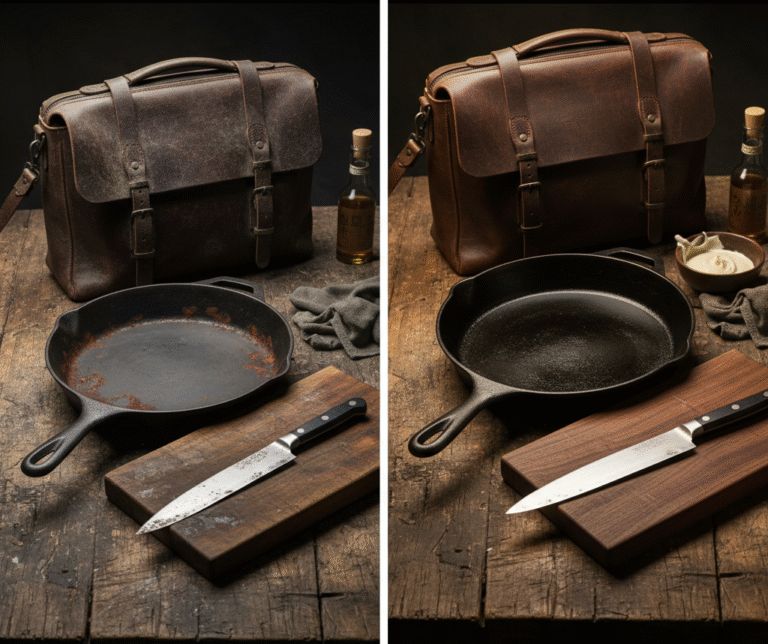
- Forgetting Maintenance. Buy It For Life doesn’t mean Buy It And Forget It. Durable goods require care. A cast iron pan will rust if you don’t season it. Leather boots will crack if you don’t condition them. BIFL is an active commitment, not a passive purchase.
- Buying for an Imaginary Lifestyle. Be honest about your actual needs. You probably don’t need a sub-zero expedition-grade parka for a mild winter commute. Buying overbuilt gear you don’t need is a fast track to wasting money. Buy for the life you have, not the one you imagine.
- Ignoring the Secondhand Market. The most sustainable and affordable BIFL items are the ones that have already stood the test of time. Platforms like eBay, local thrift stores, and estate sales are treasure troves of high-quality, pre-owned goods. A vintage tool or piece of cast iron has already proven its durability. Learn more in our guide: “BIFL on a Budget: A Guide to Thrifting Quality.”
Escaping the cycle of throwaway culture is one of the most rewarding changes you can make. It saves you money, protects the environment, and fills your life with objects you can truly rely on and cherish.
Find the true cost of ownership
Our free and simple calculator helps you determine the cost per use or cost per wear for any item. Quantify the long-term value of a purchase in seconds and make smarter financial decisions.
Remember, Buy It For Life is a mindset, not a shopping spree. Start small, focus on the three pillars—Materials, Repairability, and Warranty—and don’t let the search for perfection stop you from making progress.
Your first step is simple. This week, instead of replacing a broken item impulsively, take 30 minutes to research a durable, repairable alternative using the framework in this guide. You’ll be taking the first step on a more intentional and satisfying path of ownership.