
Lifetime Warranty Analysis: The Best and Worst Brands for BIFL Guarantees
There are few phrases in the world of retail as powerful as “Lifetime Warranty.” It feels like a golden ticket, a promise of invincibility for your new backpack, jacket, or cookware. It suggests a brand so confident in its craftsmanship that it’s willing to stand behind its product forever. But what really happens when that backpack zipper finally gives out after ten years of adventures? Is that promise a steadfast shield that protects your investment, or a clever mirage that vanishes the moment you try to claim it?
The truth is, the term lifetime warranty is one of the most effective—and most misunderstood—marketing tools in existence. Not all guarantees are created equal. Some represent an ironclad commitment to quality and customer satisfaction, forming the bedrock of the best BIFL brands. Others are riddled with fine print, loopholes, and exceptions, designed to give the impression of security while offering very little. A vague promise can lead to a frustrating dead end, leaving you with a broken product and a sense of betrayal.
In this investigative guide, we will cut through the marketing noise. We will:
- Decode what “lifetime” actually means in the world of warranties by dissecting the three main types.
- Spotlight the brands with truly exceptional, no-nonsense repair and replacement policies you can count on.
- Analyze the fine print of other popular brands to reveal common limitations and “gotcha” clauses.
- Arm you with a powerful checklist to critically evaluate any lifetime warranty you encounter in the wild.
What Does a “Lifetime Warranty” Actually Mean?
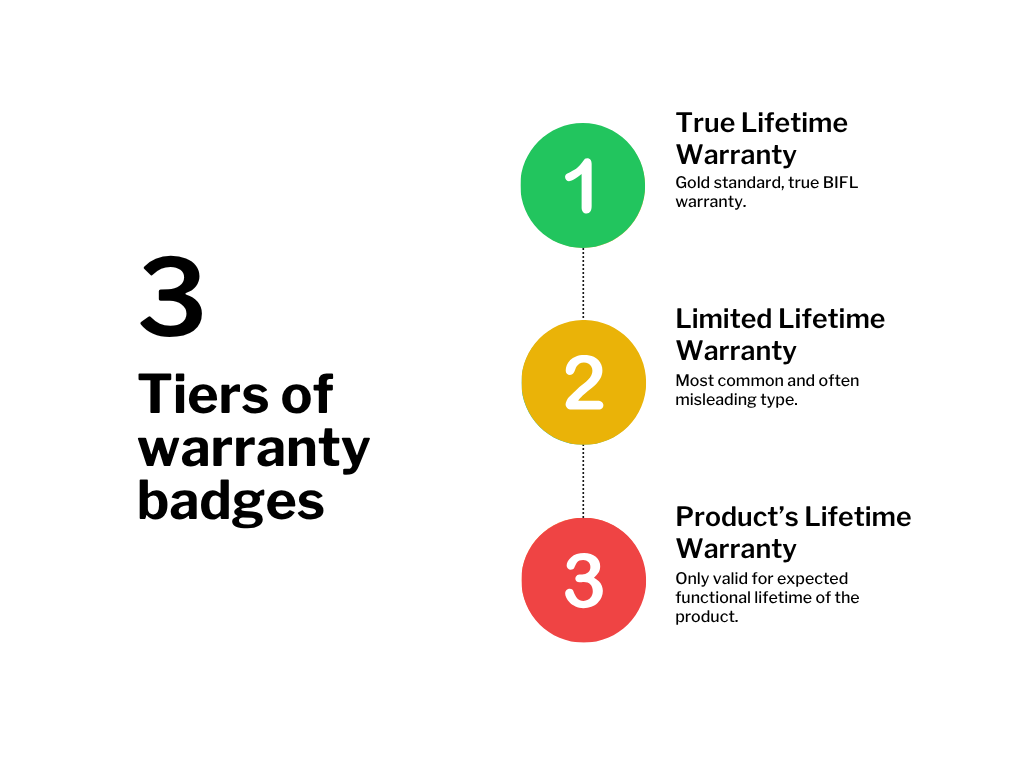
Before we name names, it’s crucial to understand the battlefield. The language of warranties is intentionally specific, crafted by legal teams to protect the company. A single word can be the difference between a free repair and a denied claim. Generally, lifetime warranties fall into one of three distinct categories, ranging from genuinely amazing to practically useless.
The Ironclad (True BIFL) Warranty
This is the gold standard and what most consumers imagine when they hear “lifetime.” It covers product failure for nearly any reason, including the normal wear and tear that comes from years of loving use. The company’s first priority is to repair the item, extending its life. If it can’t be repaired, they will replace it. This type of warranty is a true mark of confidence in a product’s longevity and a commitment to the customer.
The Limited Lifetime Warranty
This is the most common and often misleading type. It typically only covers “manufacturer’s defects” in materials or workmanship. This means it explicitly does not cover damage from accidents, improper care, or the natural breakdown of materials from years of normal use. A zipper wearing out after a decade is almost always considered wear and tear, not a defect, and would not be covered under this type of policy.
The “Product’s Lifetime” Warranty
This is the sneakiest variation. The warranty is only valid for the expected functional lifetime of the product, a period arbitrarily defined by the company itself. A 10-year-old backpack, though still functional, may be deemed by the manufacturer to be at the end of its “product lifetime,” thus voiding the warranty. This clause gives the company a built-in escape hatch to deny claims on older gear.
The Gold Standard: Brands with Ironclad BIFL Guarantees
These are the companies that put their money where their mouth is. Their warranties are legendary for a reason: they are simple, fair, and reflect a deep commitment to durability and customer service. These are truly the best BIFL brands when it comes to standing behind their gear, making the higher initial investment a much safer bet.
1. Patagonia’s Ironclad Guarantee
A shining example in the industry, the Patagonia warranty review is almost universally positive. Their famous “repair, replace, or refund” policy is simple and effective. Crucially, they prioritize repair over replacement as part of their environmental mission, which is a philosophy we can get behind. By fixing gear, they keep it out of the landfill and honor the resources used to make it.
What’s Covered: Defects, failures, and even damage you caused (often for a very reasonable repair fee). From broken zippers on a beloved fleece to tears from a climbing accident, they will attempt to fix almost anything to keep the gear in use. Their Worn Wear program, which celebrates and resells repaired gear, is further proof of their deep commitment to product longevity.
2. Osprey’s All Mighty Guarantee
Osprey’s guarantee is perhaps the most straightforward and powerful in the outdoor industry. Their promise is simple: they will repair any damage or defect for any reason, free of charge, regardless of when the product was purchased. It doesn’t matter if you bought it yesterday or in 1985. There is no fine print designed to trip you up.
What’s Covered: Everything. Broken buckles from being slammed in a car door, ripped fabric from an overzealous airline baggage handler, worn-out zippers after a 2,000-mile thru-hike—they cover it all. If they are unable to perform a functional repair, they will happily replace the pack. This is a true lifetime commitment, no questions asked.
3. The Filson Guarantee

The Filson guarantee is built on the brand’s century-old reputation for making “Unfailing Goods.” Their warranty covers failure of materials and workmanship for the life of the item. While this sounds like a “defects” warranty on the surface, Filson’s construction with materials like Tin Cloth and rugged twill is so robust that such failures are the most likely issue.
What’s Covered: Stitching failures, hardware breakage, and material defects. Crucially, they also operate an extensive in-house repair department that can fix nearly any damage caused by wear and tear for a reasonable price, further extending the life of their iconic bags and jackets. They build it to last, and they help you keep it going.
4. Darn Tough Vermont’s Unconditional Lifetime Guarantee

It sounds too good to be true, but it’s not. Darn Tough makes high-quality merino wool socks, and their warranty is as simple as it is shocking: if you wear a hole in their socks, they will replace them. No questions asked. No receipt needed. This is the ultimate proof of confidence in a product’s durability. They are so sure their socks will last that they are willing to bet a free pair on it.
What’s Covered: Any sock that has been worn through, no matter how long you’ve owned it. The process is famously simple, making it one of the most beloved warranties in the BIFL community.
The Fine Print: Brands with Important Limitations
These brands make excellent products, but their warranties are often mistaken for the “ironclad” type. It’s essential to read the details to understand what you’re actually getting and to set realistic expectations for long-term support.
1. L.L.Bean: A Legendary Warranty, Changed
For decades, L.L.Bean’s no-questions-asked return policy was the stuff of legend, a cornerstone of their brand identity. However, in 2018, citing widespread abuse of the generous system, they significantly altered it. The new policy offers a one-year window for returns for any reason. After that one-year period, they will only consider returns for items that fail due to manufacturing defects. This was a classic and well-publicized shift from a true ironclad guarantee to a much more standard limited lifetime warranty.
2. JanSport: The “Lifetime” of the Pack
JanSport’s warranty is a perfect example of the “Product’s Lifetime” clause in action. While they promise a lifetime warranty on their iconic backpacks, their fine print clarifies that this does not cover a pack that is simply “worn out” from normal use. The critical issue is that they are the sole arbiters of what “worn out” means. So while they will likely fix a defective zipper on a new pack, they may deny a claim for a threadbare bottom panel or a frayed strap on a 15-year-old pack that has seen years of heavy use.
3. The North Face: Limited and Specific
Another giant in the outdoor space, The North Face offers a “Limited Lifetime Warranty,” and they are very clear about the “limited” part. Their policy covers manufacturing defects and workmanship issues but explicitly excludes damage from accidents, improper care, or normal wear and tear. Furthermore, footwear is only covered by a one-year limited warranty. This is a solid policy for a new product with a clear factory flaw, but it is not a promise to repair a well-loved jacket that has seen a decade of adventures.
How to Vet Any Lifetime Warranty: A 5-Point Checklist
Arm yourself with this checklist before making your next big purchase. It will help you see past the marketing slogans and understand the true nature of the guarantee you are being offered.
- Search for the Word “Defect.” Is “manufacturer’s defect” the only thing explicitly covered? This is the number one sign of a *limited* warranty, not an ironclad one. The best warranties will use broader language like “any damage or defect.”
- Look for the “Wear and Tear” Exclusion. Does the policy explicitly *exclude* damage from normal use, accidents, or the natural breakdown of materials over time? If so, you’re on the hook for any damage that occurs through actually using the product as intended.
- Check for a “Product’s Lifetime” Clause. Scan the fine print for any language that gives the company the power to define the lifespan of their own product. This gives them an easy way to deny your claim on an older item by declaring it “end of life.”
- Investigate the Process. A great promise means nothing if the process is a nightmare. Do you need the original receipt? Who pays for shipping both ways? Is there a “processing” or “handling” fee for repairs? A difficult or costly process can make a warranty functionally useless.
- Search for Real-World Reviews. This is the ultimate truth test. Go beyond the company’s polished website. Search forums like Reddit’s r/BuyItForLife for firsthand accounts from other customers. Their experiences with both successful and denied warranty claims will tell you everything you need to know about how a company truly treats its customers.
A Warranty Is a Reflection of a Brand’s Confidence
Ultimately, a warranty is more than just a safety net for the consumer; it’s a critical piece of data that reveals a brand’s confidence in its own products. A true, ironclad lifetime warranty that covers wear and tear is rare, and it’s a powerful signal that a company has engineered its products with materials and construction methods designed to last in the first place. They can afford to make such a promise because they know very few customers will actually need it.
The more common “limited lifetime” warranties are still valuable for protecting against factory flaws, but they require you to read the fine print with a critical eye and understand their limitations. The next time you’re about to invest in a piece of gear, don’t just look at the price tag—navigate to the warranty page. Use our 5-point checklist to see if the brand’s promise is as durable as its product. A few minutes of investigation can save you a lifetime of frustration and ensure your money is spent on quality that’s truly guaranteed.
Own Experience
Have you had a great (or terrible) experience with a lifetime warranty claim? Share the brand and your story in the comments below!